
In Singapore’s competitive business landscape, marketing without knowing your audience is like throwing darts blindfolded. You might hit something but chances are you will miss the target.

Many local businesses struggle with low engagement, wasted advertising budgets, or campaigns that do not convert. The solution is customer personas.
A customer persona is a semi-fictional profile of your ideal customer. It goes beyond basic demographics like age or location and includes motivations, behaviours, challenges, and goals. By understanding who your audience really is, you can tailor your marketing to resonate, convert, and retain customers.
What is a Customer Persona?
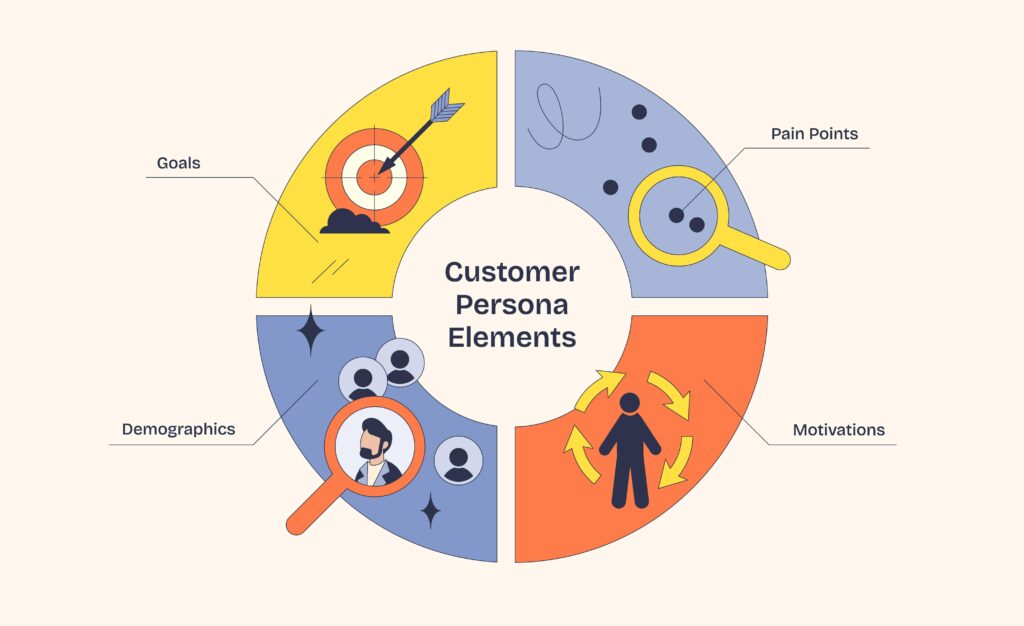
Customer personas provide a detailed picture of your ideal customer, including
- Demographics: Age, gender, location, income
- Psychographics: Interests, values, lifestyle
- Behaviour: Shopping habits, preferred channels, decision-making
- Goals and pain points: What they want to achieve and what is holding them back
For example, a Singapore-based online food delivery service might target a persona like
- Name: Li Wei, 28, working in finance
- Needs: Fast and convenient meals during lunch break
- Behaviour: Uses food delivery apps, checks promotions and reviews online
- Pain point: Limited time to prepare meals or dine out

With this persona, marketing messages, campaigns, and service offerings can directly address real customer needs instead of guessing.
Why Customer Personas Matter
- Targeted Marketing Campaigns
A clear persona identifies where your audience spends their time and what content they respond to. Instead of spreading marketing spend across all channels, you focus on what actually works.
For instance, if your persona is a busy professional like Li Wei, Facebook ads, Instagram Stories, and email promotions may outperform generic campaigns.

- Better Messaging
Customer personas allow brands to speak your audience’s language.
Instead of vague statements such as, “Our service is convenient,” you can say
“Get your favourite lunch delivered in under 30 minutes while you focus on your work.”
Messaging that solves a real problem builds trust and engagement.

- Higher Conversions
Campaigns targeted at well-defined personas convert better because they address specific problems and motivations. When your audience sees content tailored to their needs, they are more likely to take action.

- Team Alignment
Personas are not just for marketing. They guide product development, sales, and customer service. Everyone in the company can make decisions that align with the needs of the same ideal customer, creating a consistent customer experience.

How to Create a Customer Persona
Step 1: Gather Data
Use existing data from
- Website analytics, including visitors and behaviour
- Social media insights, including audience demographics and engagement
- Customer surveys and interviews
- Sales data including purchase behaviour and frequency
Competitor research and industry trends in Singapore can also provide useful insights.

Step 2: Segment Your Audience
Not all customers are the same. Group them based on traits, behaviour, or goals. Each segment can become a separate persona. Examples
- Busy working professionals seeking convenience
- Parents looking for educational products or services
- Students searching for affordable options
Step 3: Build Persona Profiles
Combine research into a clear profile including name, background, goals, pain points, and behaviours. Including quotes from real customers adds authenticity.

Step 4: Apply Your Personas
Use personas to guide every marketing decision including
- Which channels to prioritise
- What content resonates
- How to position products or services
Example: If a persona prefers short videos on Instagram, prioritise that over long-form blog posts.

Examples from Singapore and Beyond
Many successful brands use personas to refine their marketing strategy
- Nike: Segments athletes by sport, skill, and lifestyle, targeting both casual runners and professional athletes
- Starbucks: Identifies personas such as office workers grabbing coffee and students seeking study spaces
- Local example: A Singapore e-commerce store might create personas for young working adults ordering groceries online versus parents buying household essentials
Understanding your audience allows brands to craft campaigns that feel personal, relevant, and effective.
Tips for Effective Customer Personas

- Start small: Create 2 to 3 core personas before expanding
- Update regularly: Markets and behaviours change, keep personas current
- Use across teams: Sales, marketing, and product teams should reference the same personas
- Be specific: The more detailed the persona, the easier it is to target campaigns
- Test and validate: Adjust personas based on campaign performance and feedback
Conclusion
Customer personas are more than a marketing buzzword. They are a strategic tool that helps brands understand their audience, create targeted campaigns, and deliver messages that resonate. By investing time in building detailed personas, businesses can improve engagement, conversions, and customer loyalty.
In a fast-moving market like Singapore where consumers are bombarded with choices, knowing exactly who you are talking to gives your business a competitive advantage. Start small, stay specific, and let your personas guide every marketing decision. The result is marketing that works and customers who feel understood.
💡 Pro Tip: Begin with a few core personas and refine them as you learn more about your audience. The clearer your personas, the more effective your marketing will be.